Publications

Peer-Reviewed Research

Ten publications spanning circadian biology, mechanosensation, and anesthesia mechanisms — five as first author. Figures shown are drawn directly from each paper.

Figure from Petersen et al., bioRxiv 2025Figure from Petersen et al., bioRxiv 2025
First Author Circadian Rhythms & Structural Biology

bioRxiv [Preprint] · 2025

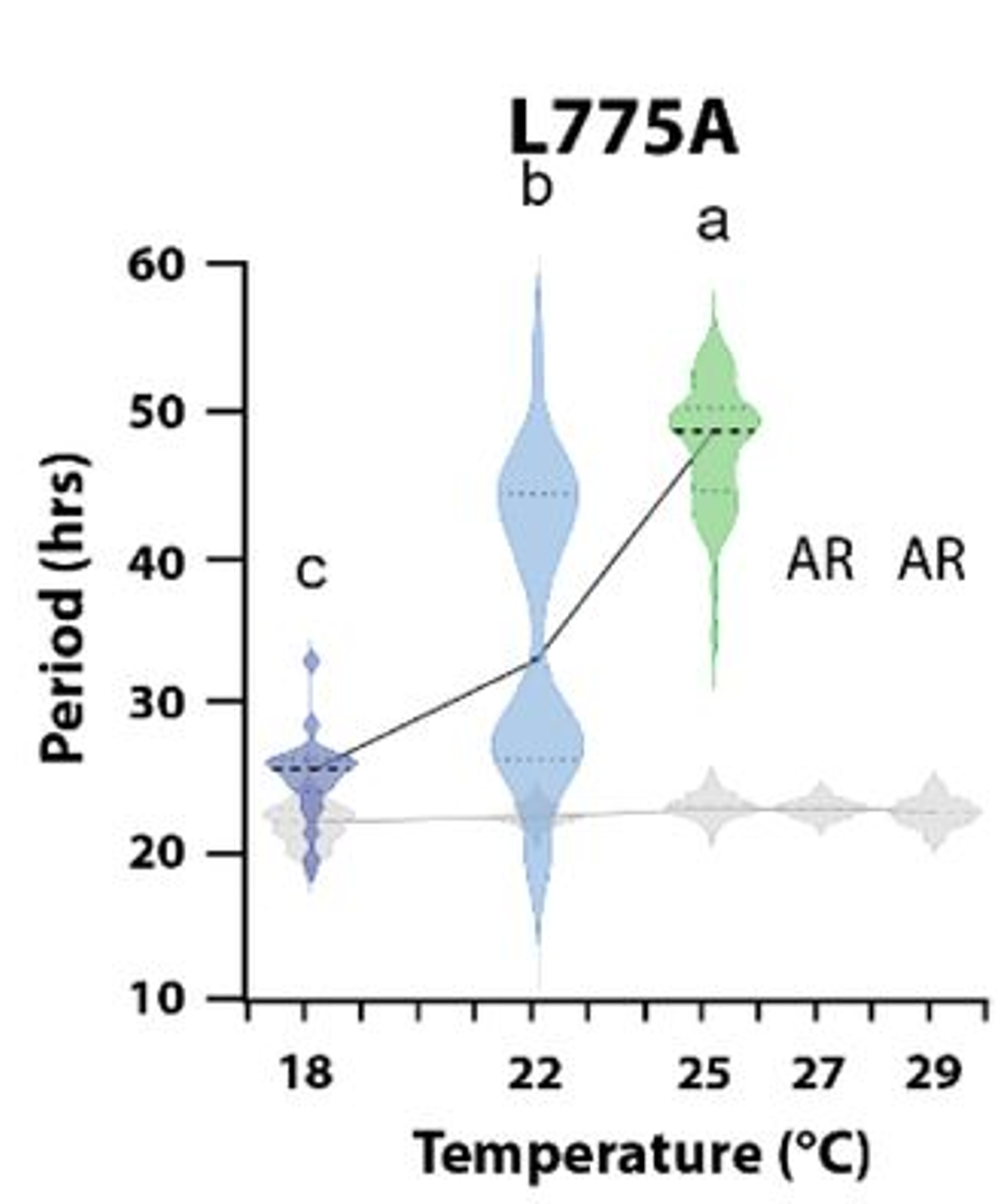
The dramatic impact of the PER–DBT interaction on circadian timekeeping and temperature compensation

E. Nicholas Petersen, C. Sullivan, H. Ludewig, D. Kern, M. Rosbash

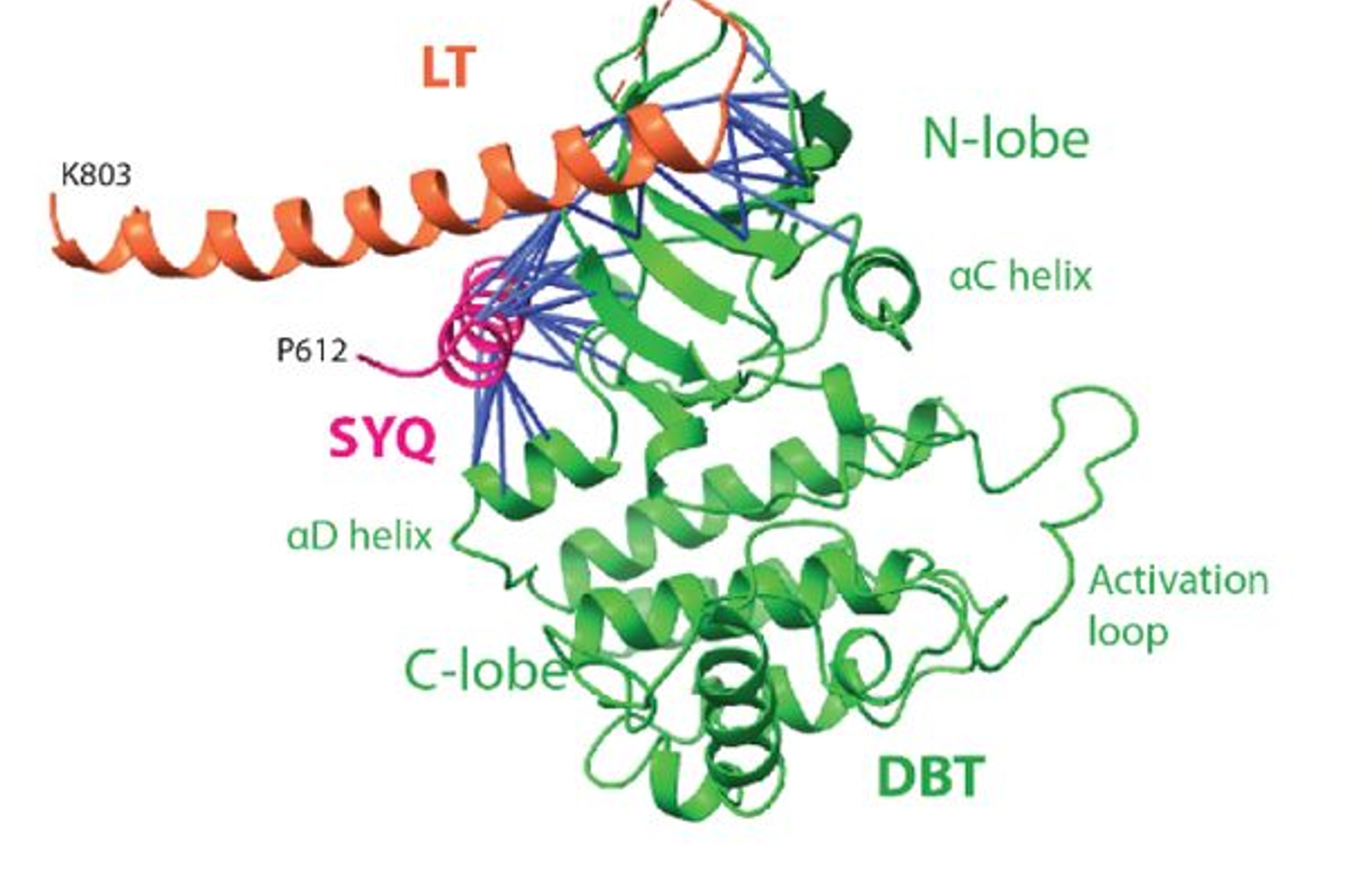
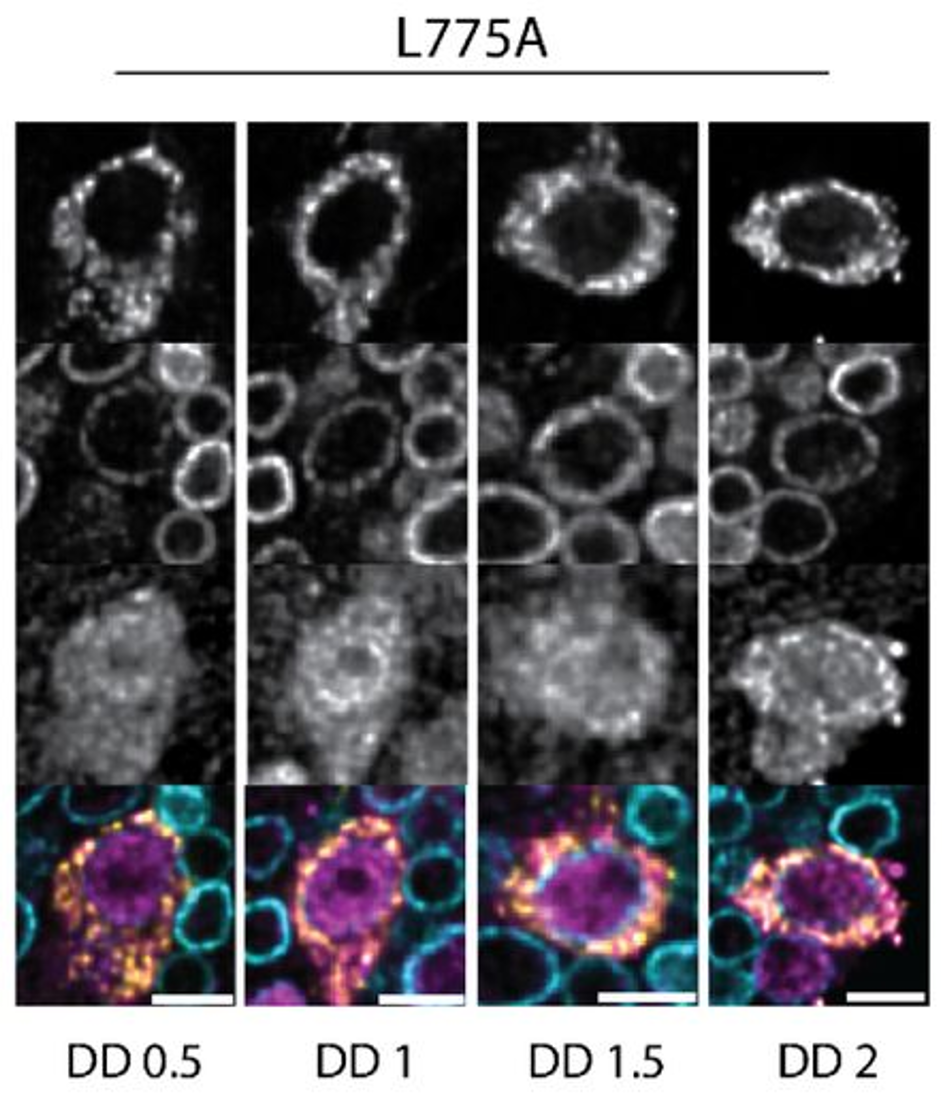
The circadian clock relies on phosphorylation-dependent timers to dictate period length and ensure temperature compensation. Using AlphaFold2-multimer, we predicted the interaction interface between PERIOD (PER) and DOUBLETIME (DBT/CK1). Structure-guided point mutations designed at this interface produced the longest circadian periods ever recorded in Drosophila (>48 hours) and revealed a novel, unexpected mechanism of temperature compensation driven by PER-DBT interface dynamics.

  • AlphaFold2 prediction of the PER-DBT complex interface verified by structure-guided mutagenesis
  • Created charge-swap rescue mutants (E621K/K789E) proving a critical salt bridge
  • Discovered the longest circadian period mutants on record (>35 hours)
  • Uncovered a novel structural mechanism underlying temperature compensation
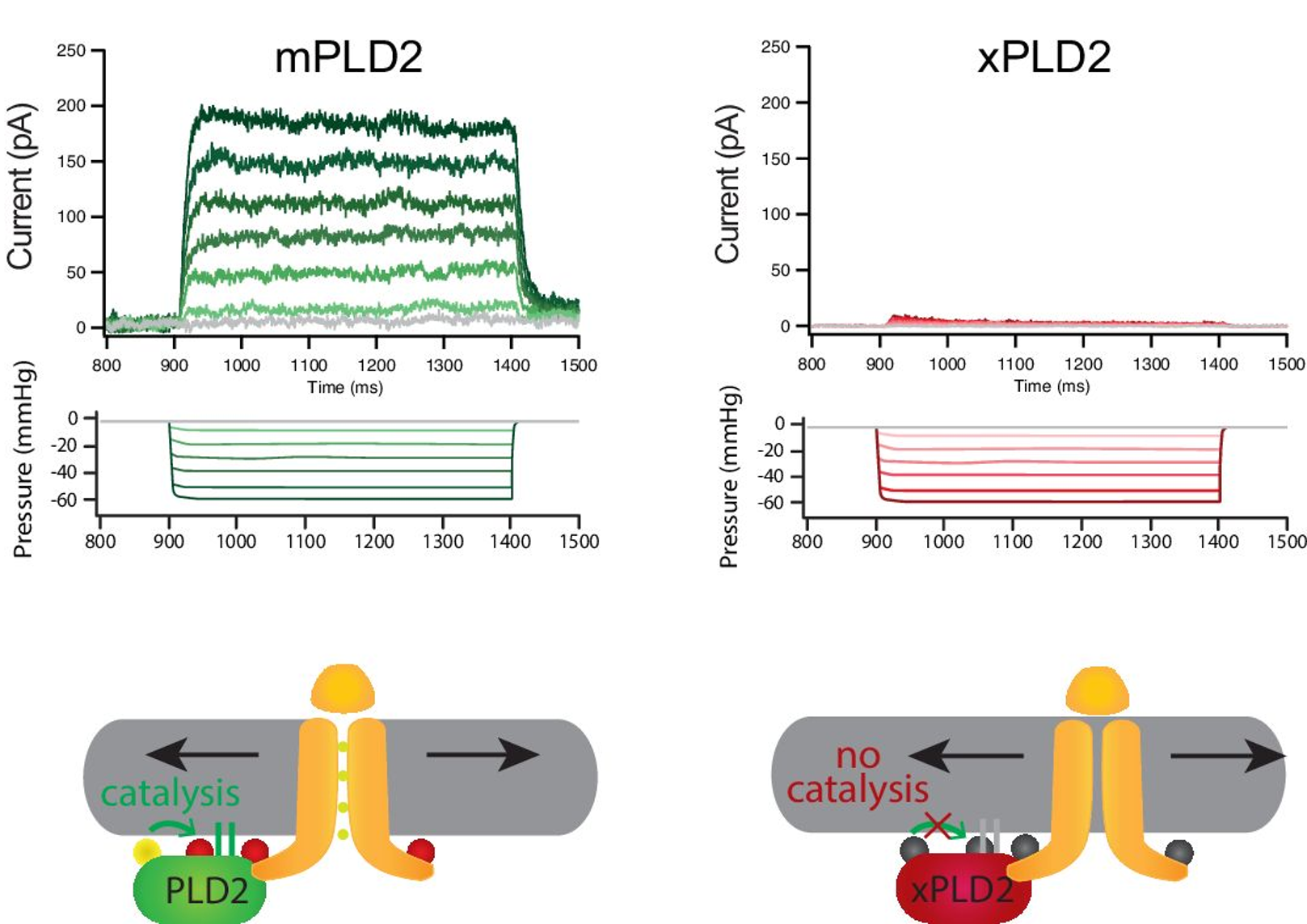
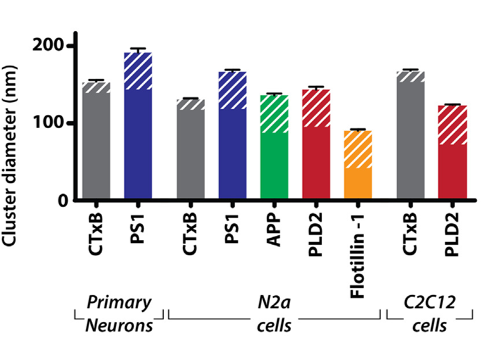
Figure from Petersen et al., eLife 2023Figure from Petersen et al., eLife 2023
First Author Mechanosensation & Ion Channels

eLife · 2023

Mechanical activation of TWIK-related potassium channel by nanoscopic movement and rapid second messenger signaling

E. Nicholas Petersen, M. A. Pavel, S. S. Hansen, M. Gudheti, H. Wang, Z. Yuan, K. R. Murphy, W. W. Ja, H. A. Ferris, E. M. Jorgensen, S. B. Hansen

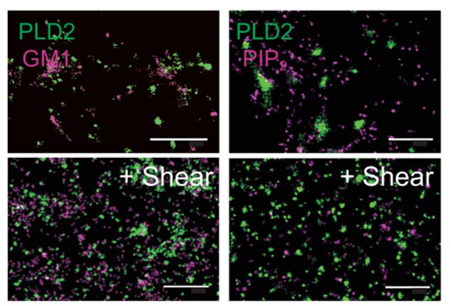
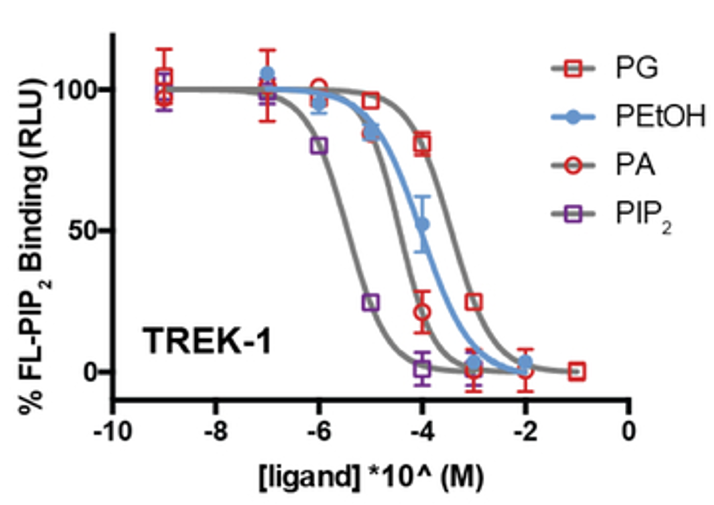
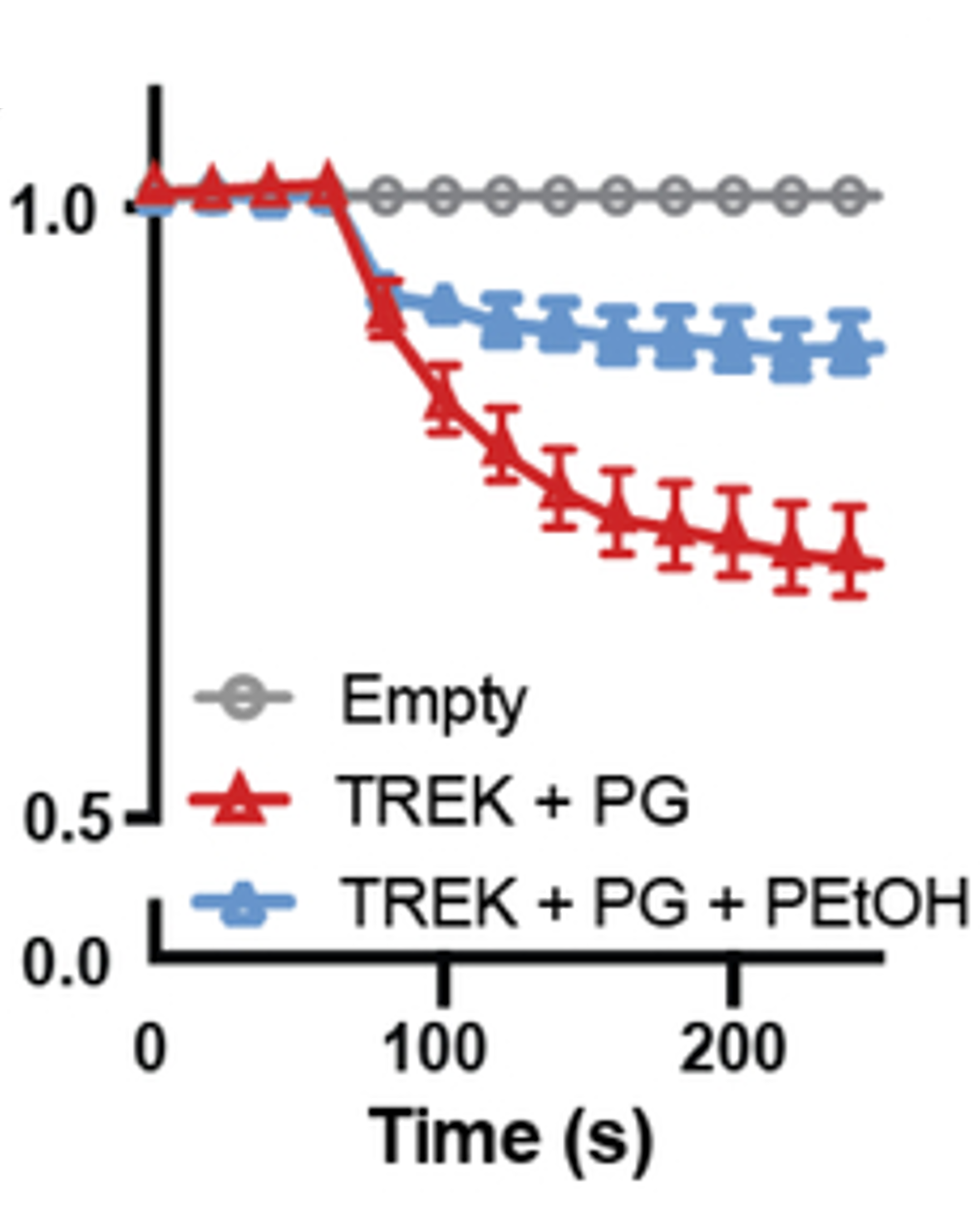
Mechanosensory ion channels like TREK-1 respond to physical force, but the molecular transducing events upstream of gating remain debated. Here we demonstrate that mechanical shear stress induces rapid, nanoscopic movement of phospholipase D (PLD2) into ordered lipid domains (GM1 rafts), producing localized phosphatidic acid (PA) that directly gates TREK-1 channels. Using super-resolution dSTORM in intact Drosophila brains and temperature-clamped shear fixation, we show this raft-mediated pathway controls behavioral mechanosensation in vivo.

  • Proved force activates TREK-1 via PLD2 translocation rather than direct bilayer tension alone
  • Developed rapid temperature-controlled shear fixation (<10s) at 37 °C
  • Demonstrated dSTORM super-resolution imaging in intact Drosophila brain tissue
  • Established behavioral mechanosensation defect in PLD-null Drosophila models
Figure from Petersen et al., BBA Biomembranes 2020Figure from Petersen et al., BBA Biomembranes 2020
First Author Membrane Biophysics & Anesthesia

BBA – Biomembranes · 2020

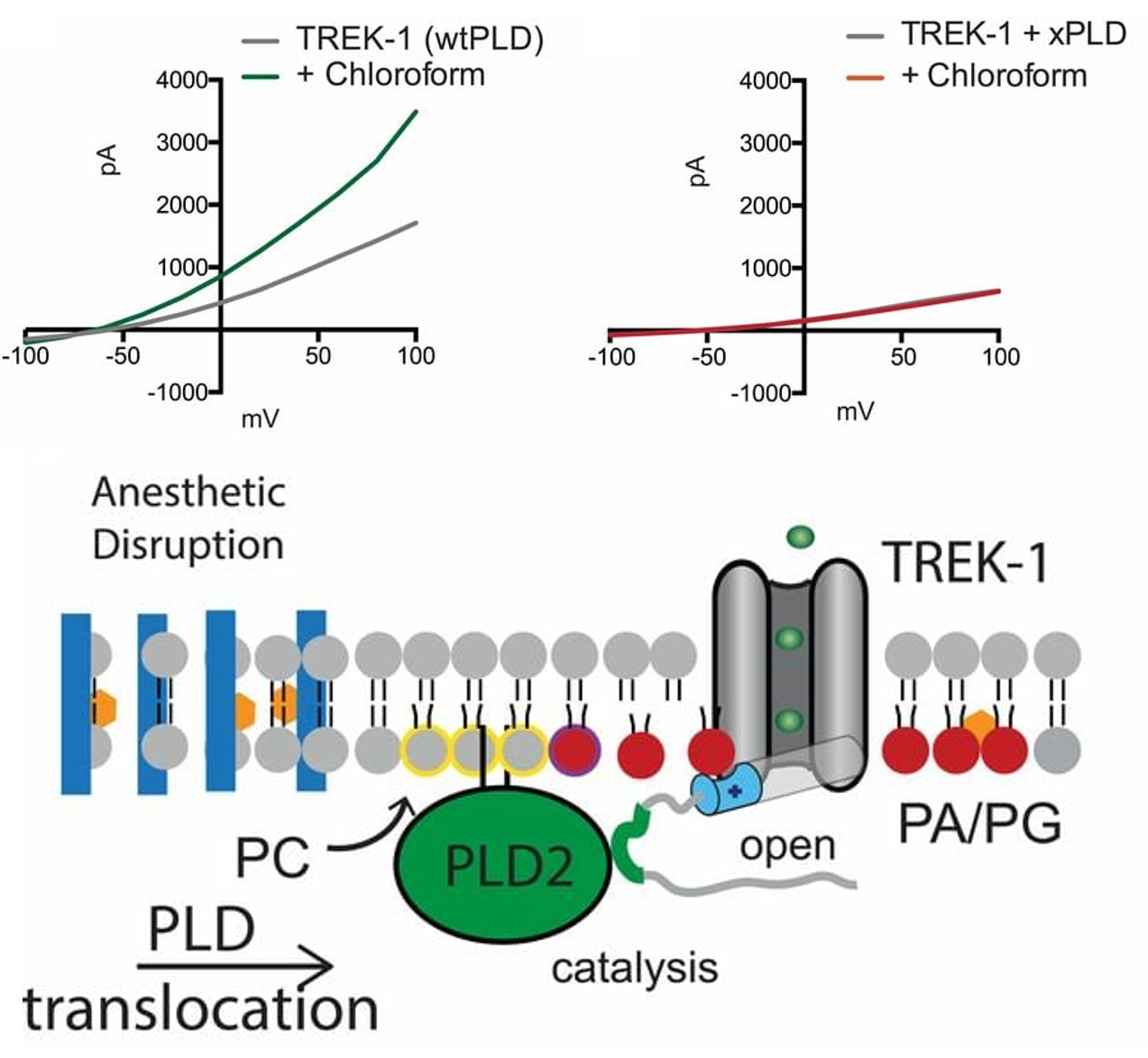
Disruption of palmitate-mediated localization; a shared pathway of force and anesthetic activation of TREK-1 channels

E. Nicholas Petersen, M. A. Pavel, H. Wang, S. B. Hansen

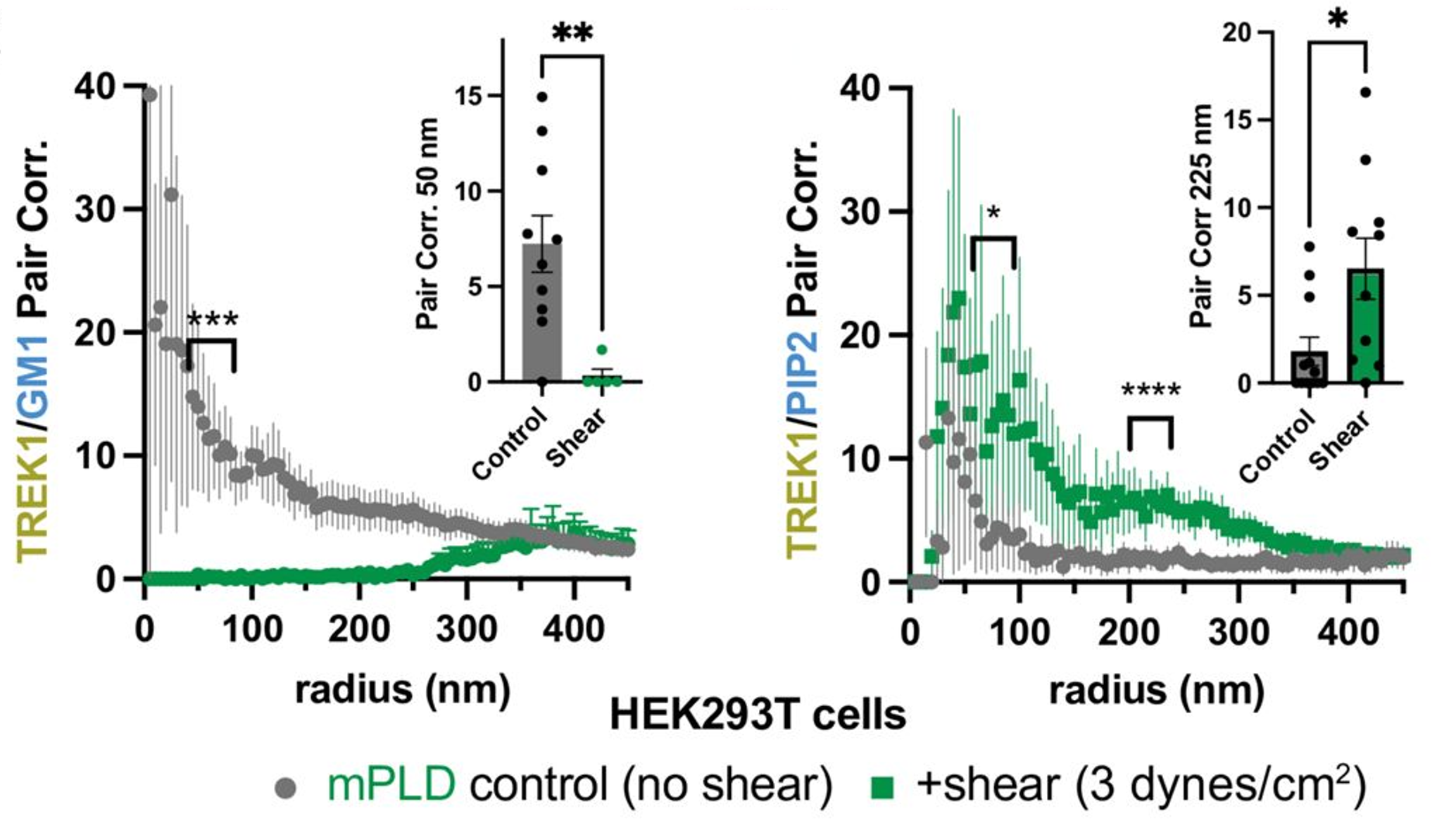
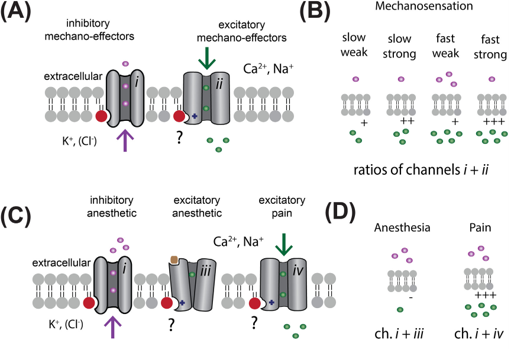
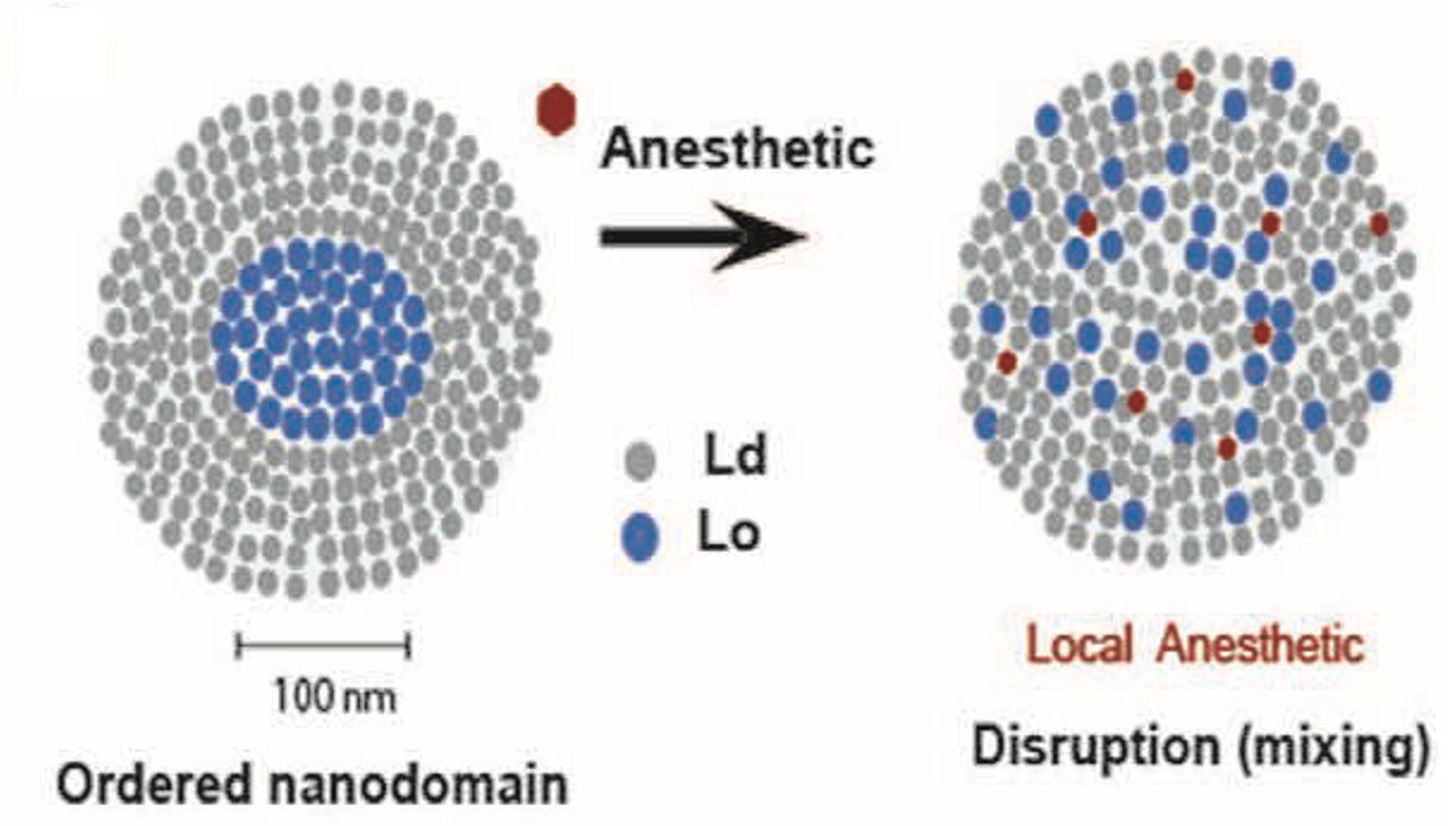
Post-translational palmitoylation targets proteins to ordered membrane nanodomains. We investigated how general anesthetics and mechanical shear disrupt palmitate-dependent localization of TREK-1 channels. Both physical force and inhaled anesthetics displace TREK-1 from lipid rafts into PIP2-rich domains, establishing palmitate-mediated localization disruption as a unified molecular mechanism for channel activation.

  • Identified palmitate-mediated nanodomain localization as a shared target for force and anesthetics
  • Methodological critique of probe-valency and fixation artifacts in super-resolution imaging
  • Mapped spatial translocation of K2P channels between lipid rafts and PIP2 signaling hubs
  • Provided a structural basis for two-pore domain potassium channel gating
Figure from Petersen et al., bioRxiv 2019Figure from Petersen et al., bioRxiv 2019
First Author Behavioral Pharmacology & Method Development

bioRxiv [Preprint] · 2019

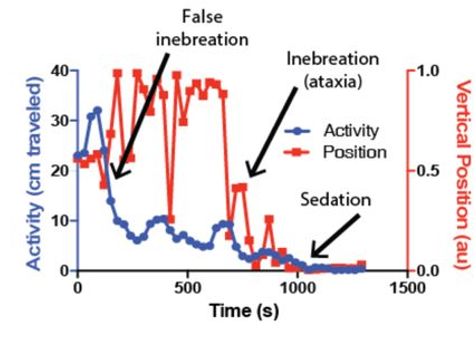
Measuring anesthetic resistance in Drosophila by VAAPR

E. Nicholas Petersen, C. R. Clowes, S. B. Hansen

Detailed methodological design and validation of the VAAPR rig (Volatile Anesthetic Administration in Parallel in Drosophila). Describes chamber engineering, vapor flow control, automated machine-vision tracking, and statistical protocol for T50 anesthetic dose-response determination.

  • First author method paper establishing the VAAPR behavioral testing apparatus
  • Engineered multi-chamber vapor distribution manifold for quantitative pharmacology
  • Provided open protocol for high-throughput Drosophila neuropharmacology
Figure from Chung, Petersen et al., JMB 2019Figure from Chung, Petersen et al., JMB 2019
Co-First Author Pharmacology & Lipid Enzymology

Journal of Molecular Biology (JMB) · 2019

A Molecular Target for an Alcohol Chain-Length Cutoff

H.-W. Chung*, E. Nicholas Petersen*, C. Cabanos, K. R. Murphy, M. A. Pavel, A. S. Hansen, W. W. Ja, S. B. Hansen  (*co-first authors)

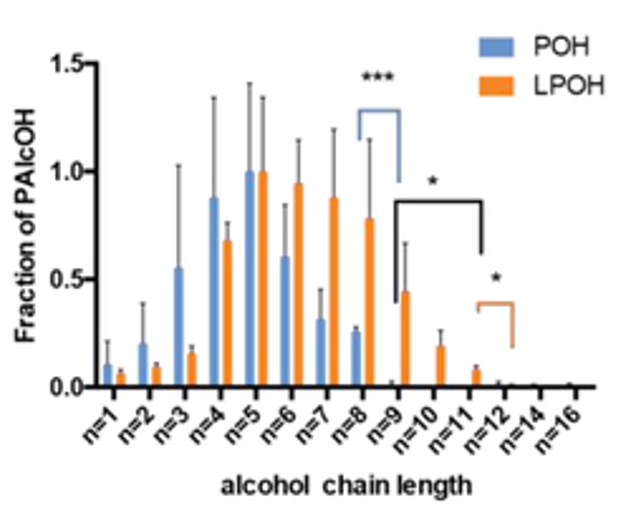
Long-chain n-alcohols exhibit a well-known "cutoff effect" where anesthetic and intoxicating potency abruptly disappears past a specific carbon chain length. We synthesized homologous primary alcohols (C1–C16) and demonstrated that PLD2 enzyme inhibition mirrors the exact physical cutoff observed in fly sedation behavior, identifying PLD2 as the molecular target of the alcohol cutoff.

  • Identified PLD2 as the molecular target explaining the historic alcohol chain-length cutoff
  • Co-first author on biochemical SAR and fly behavioral sedation assays
  • Purified recombinant PLD2 from yeast and reconstituted into proteoliposomes
  • Demonstrated physical cutoff transition between C10 and C12 primary alcohols
Figure from Petersen et al., Nature Communications 2016Figure from Petersen et al., Nature Communications 2016
First Author Mechanosensation & Super-Resolution Imaging

Nature Communications · 2016

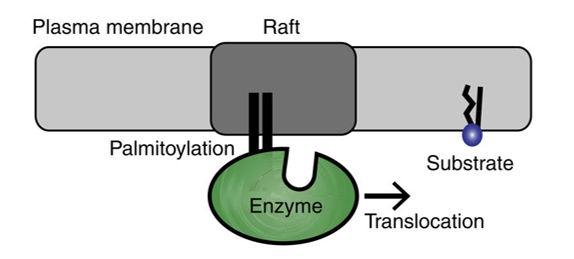
Kinetic disruption of lipid rafts is a mechanosensor for phospholipase D

E. Nicholas Petersen, H.-W. Chung, A. Nayebosadri, S. B. Hansen

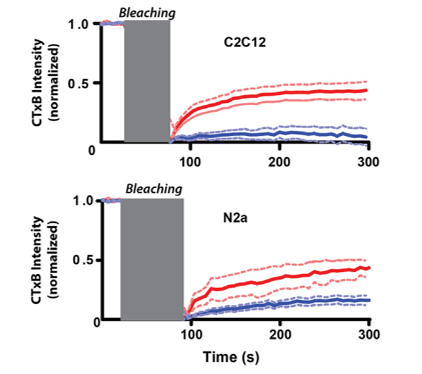
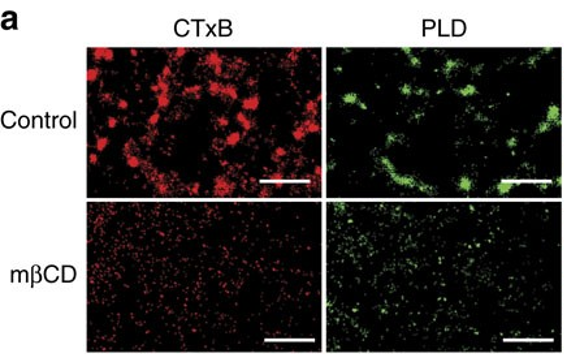
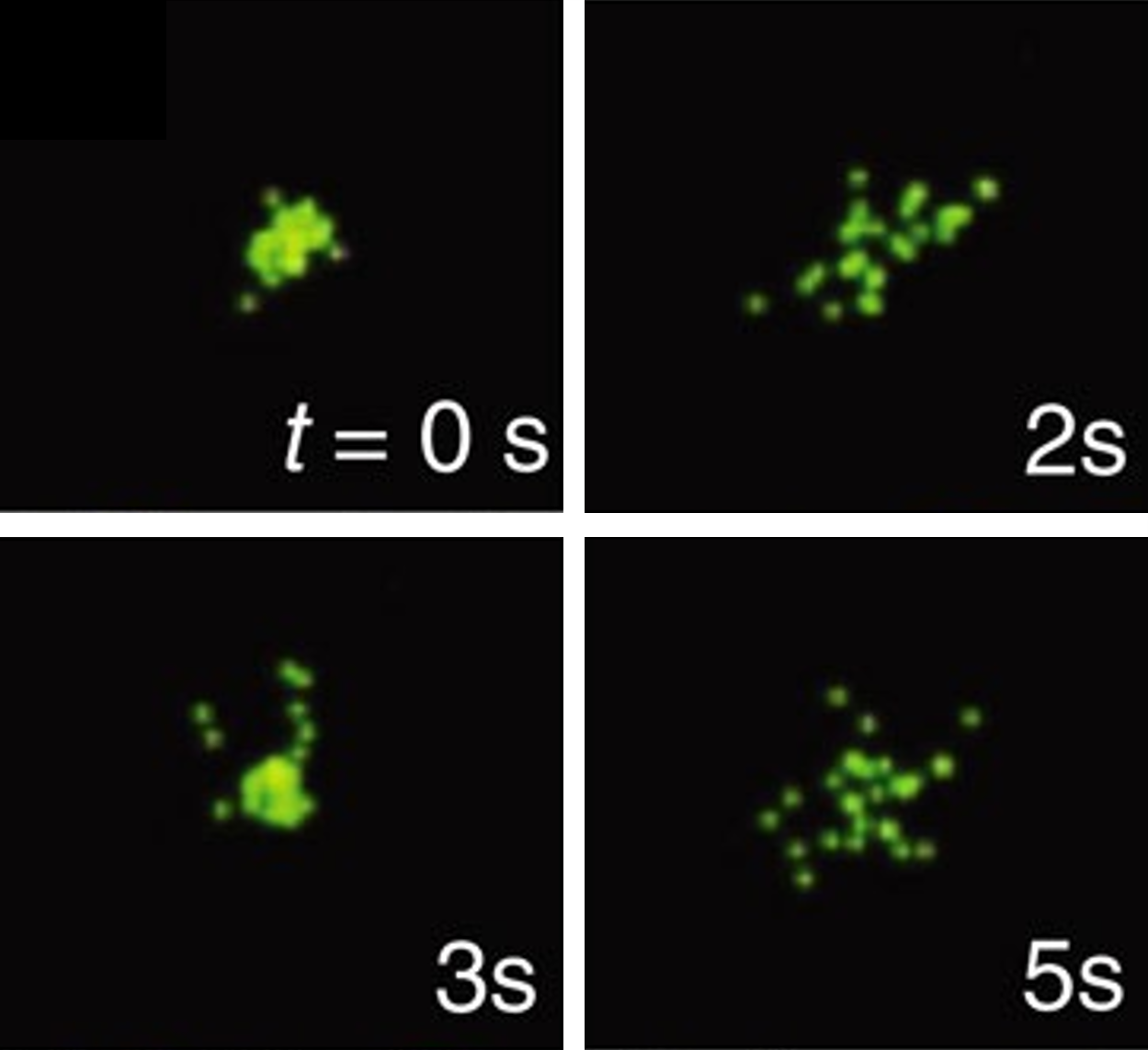
Landmark paper introducing a kinetic non-tension model of mechanotransduction. Demonstrates mechanical shear stress physically disrupts ordered GM1 lipid rafts, causing spatial mixing of substrate and enzyme to activate PLD2. Features live-cell 3D-dSTORM super-resolution imaging at sub-second reconstructed frame rates.

  • First-author landmark publication in Nature Communications
  • Discovered kinetic (non-tension) lipid raft disruption mechanism for mechanosensation
  • Pioneered sub-second reconstructed live-cell 3D-dSTORM imaging (~250 ms frame rate)
  • Invented live-cell real-time PLD activity assay under fluid shear stress
Figure from Pavel et al., PNAS 2020Figure from Pavel et al., PNAS 2020
Co-Author Anesthesia Mechanisms & Biophysics

PNAS · 2020

Studies on the mechanism of general anesthesia

M. A. Pavel, E. Nicholas Petersen, H. Wang, R. A. Lerner, S. B. Hansen

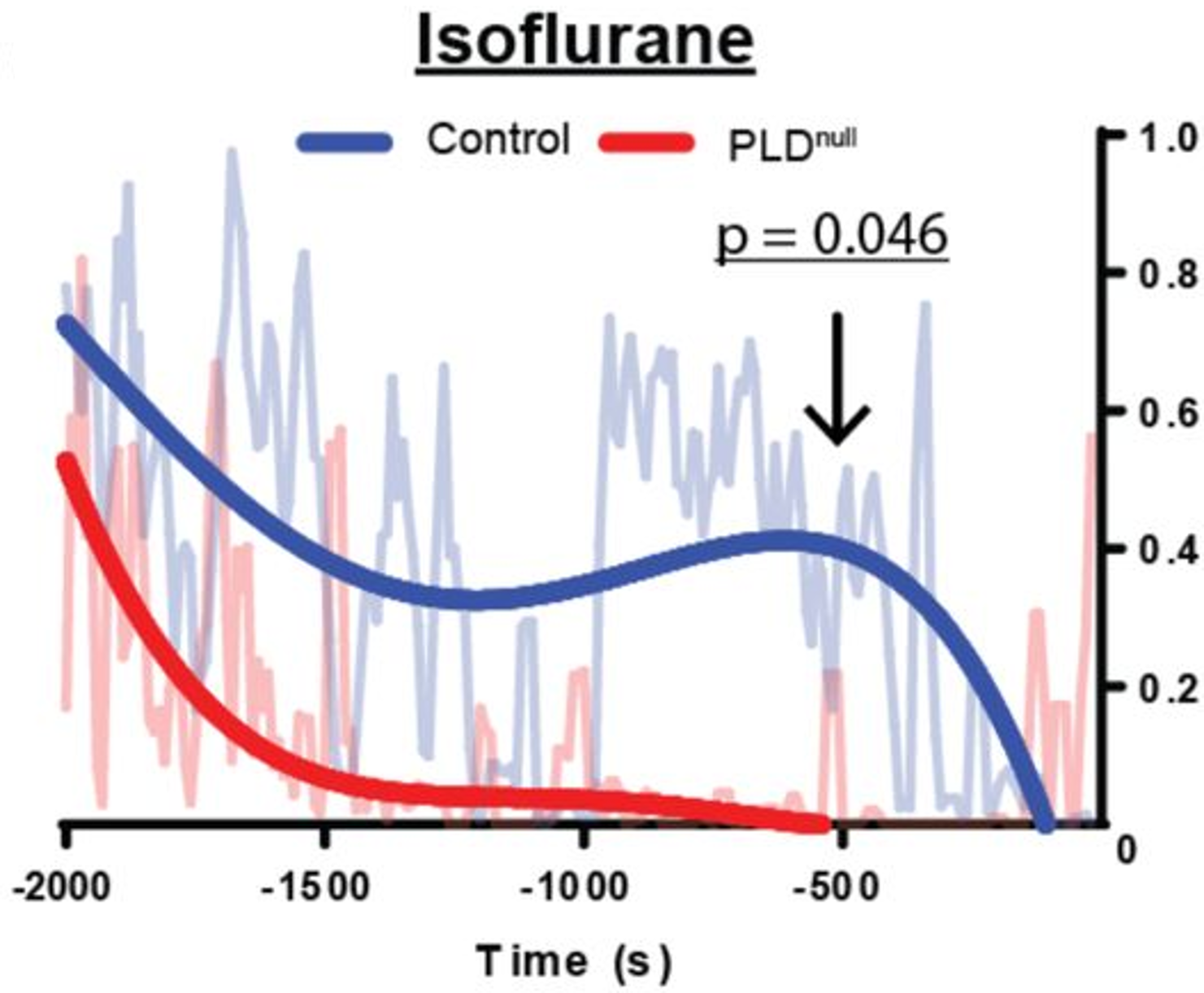
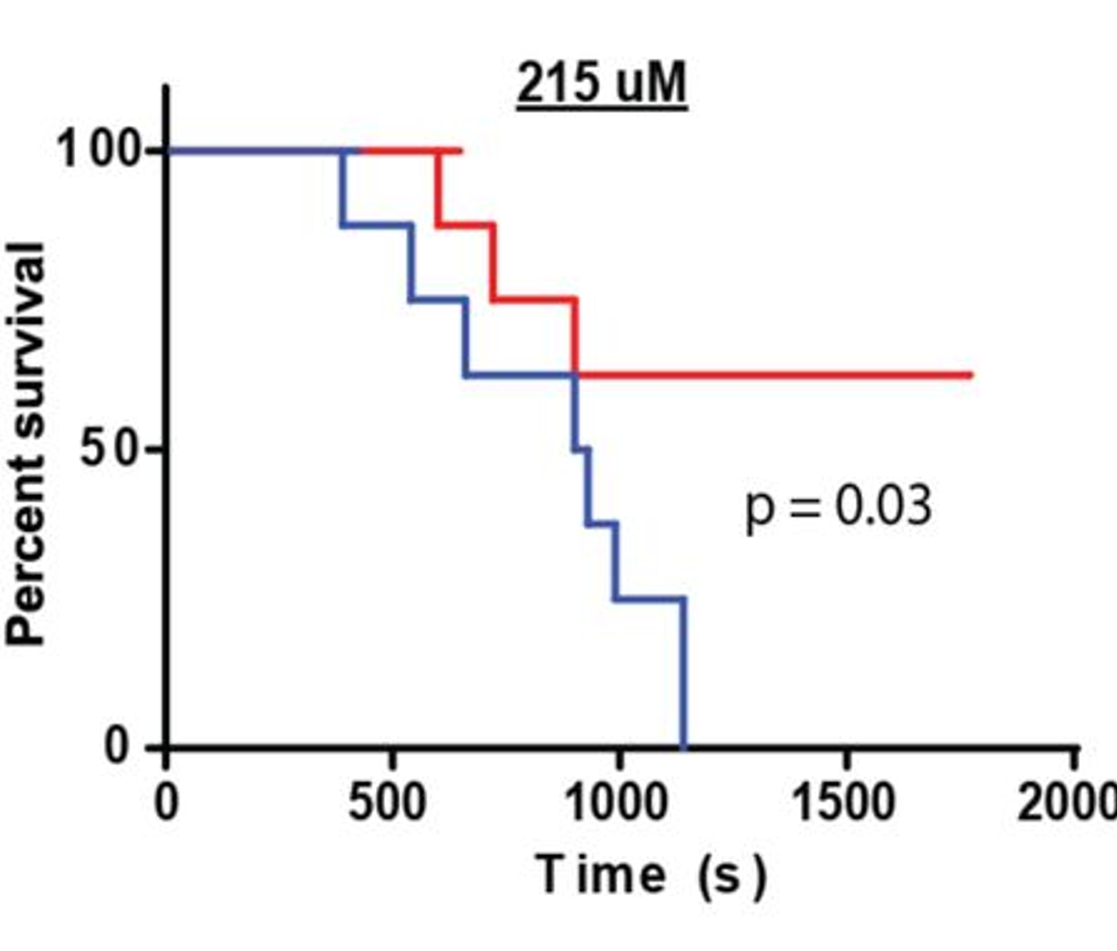
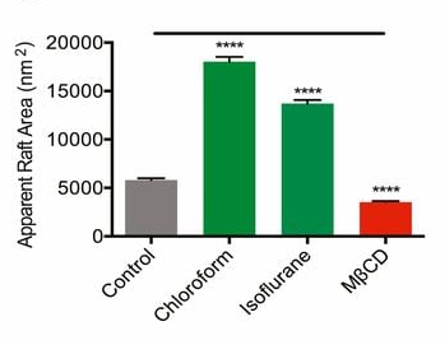
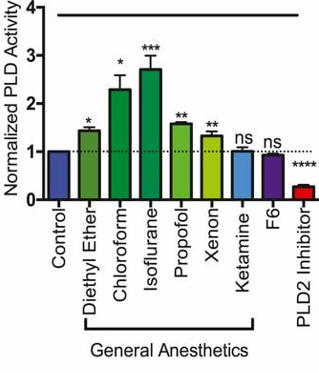
For over 120 years, the Meyer-Overton correlation linked general anesthetic potency to lipid solubility, yet direct membrane-mediated gating mechanisms remained unproven. We show that inhaled anesthetics disrupt ordered GM1 lipid rafts, releasing PLD2 to generate PA and activate TREK-1 channels. In Drosophila, knocking out PLD2 renders flies resistant to volatile anesthesia, validating a membrane-mediated mechanism in whole animals.

  • Solved a century-old mystery in anesthesia by proving lipid raft disruption drives anesthesia
  • Demonstrated inhaled anesthetics trigger PLD2 catalytic activation in live cells and fly brains
  • Utilized custom VAAPR assay rig to quantify in vivo anesthetic resistance in Drosophila
  • Featured in international science media for resolving general anesthetic action
Figure from Pavel et al., Anesthesia & Analgesia 2019Figure from Pavel et al., Anesthesia & Analgesia 2019
Co-Author Ion Channels & Pharmacology

Anesthesia & Analgesia · 2019

Polymodal Mechanism for TWIK-Related K+ Channel Inhibition by Local Anesthetic

M. A. Pavel, H.-W. Chung, E. Nicholas Petersen, S. B. Hansen

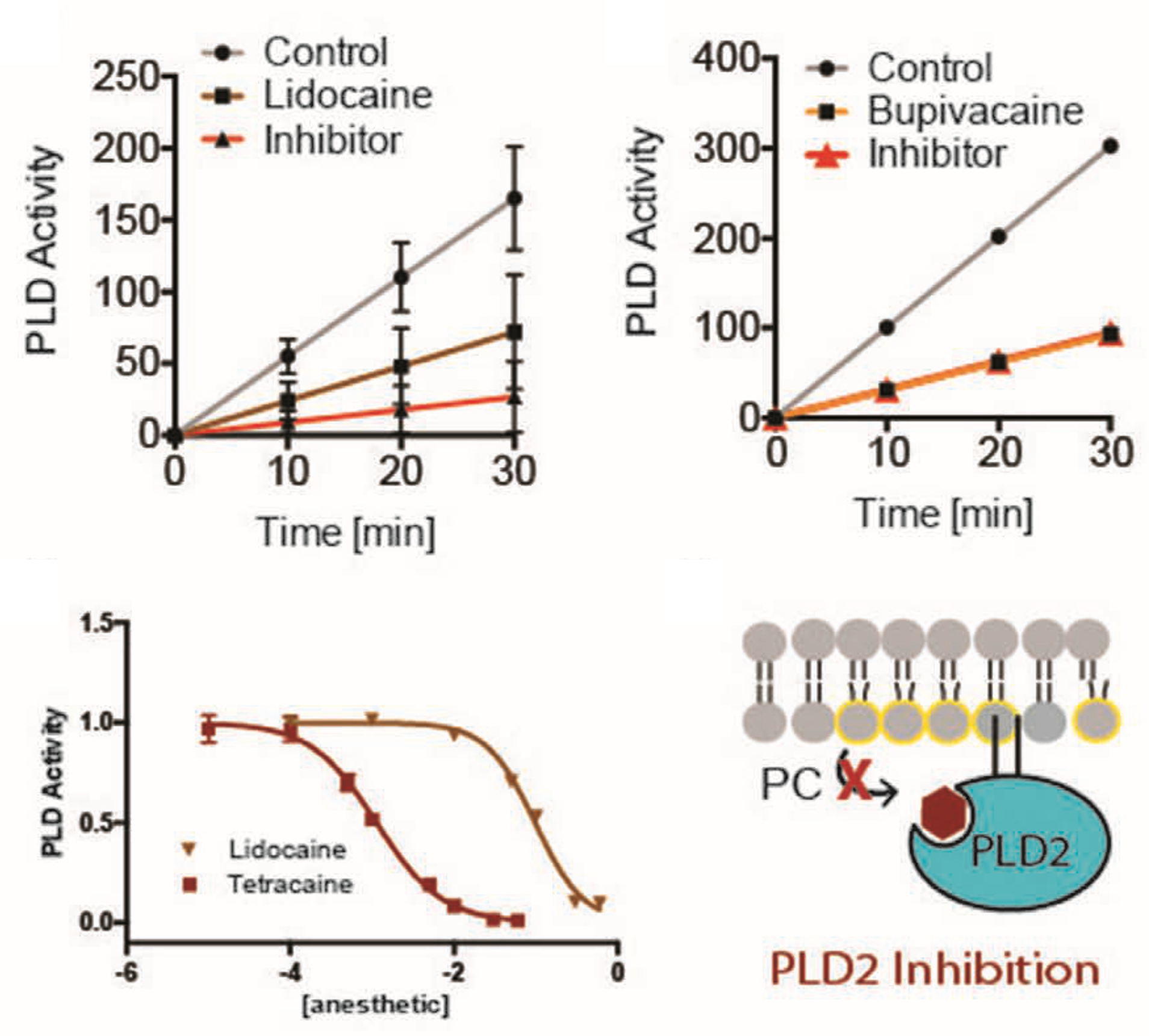
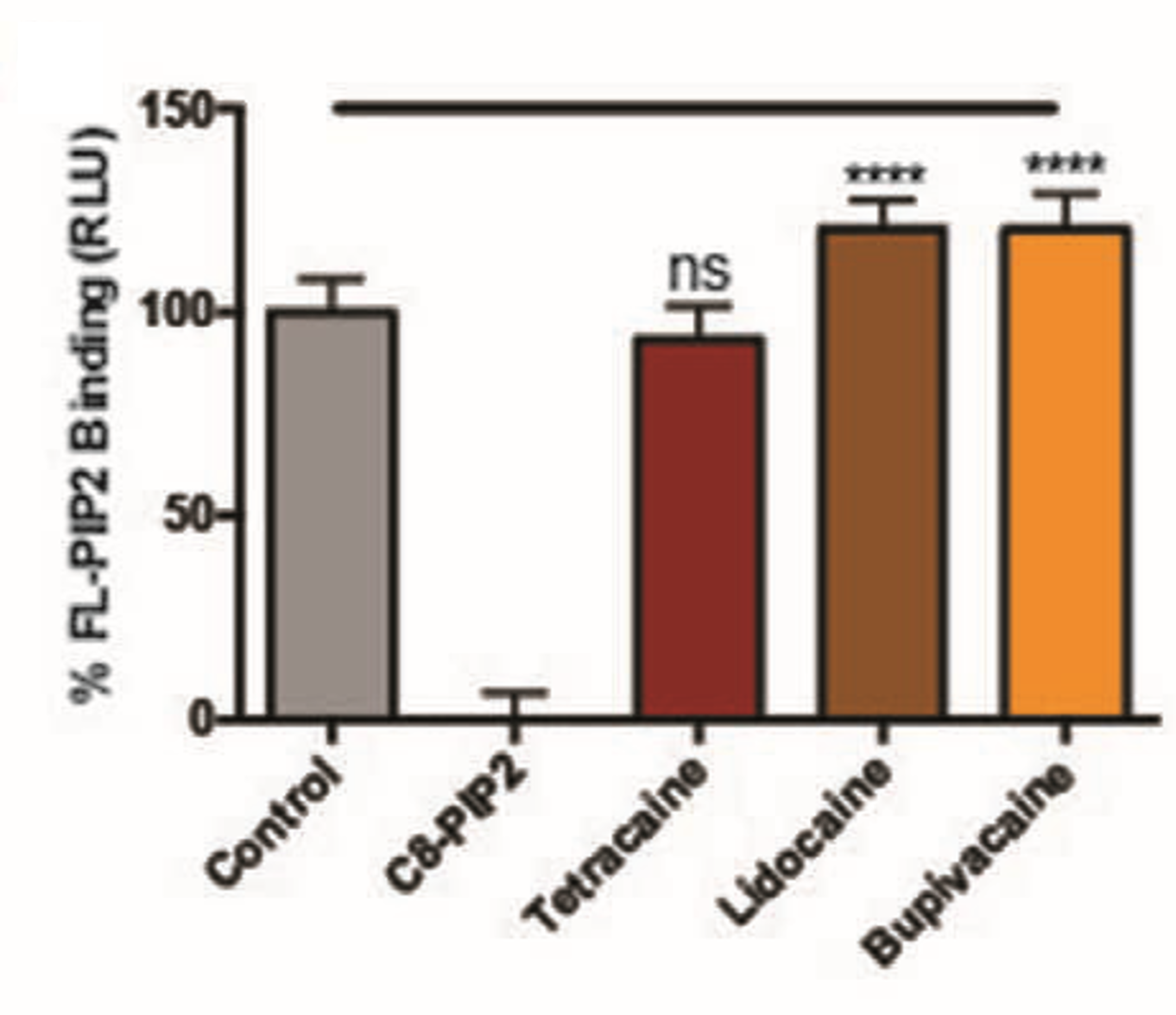
Investigated how charged local anesthetics (e.g. tetracaine, bupivacaine) inhibit TREK-1 potassium channels via direct pore block versus membrane domain perturbation.

  • Characterized dual mechanism of local anesthetic inhibition on two-pore domain potassium channels
  • Applied super-resolution SMLM to map local anesthetic-induced channel localization changes
Figure from Woolstenhulme et al., PNAS 2013Figure from Woolstenhulme et al., PNAS 2013
Co-Author Ribosome Biology & Translation

Proceedings of the National Academy of Sciences (PNAS) · 2013

Nascent peptides that block protein synthesis in bacteria

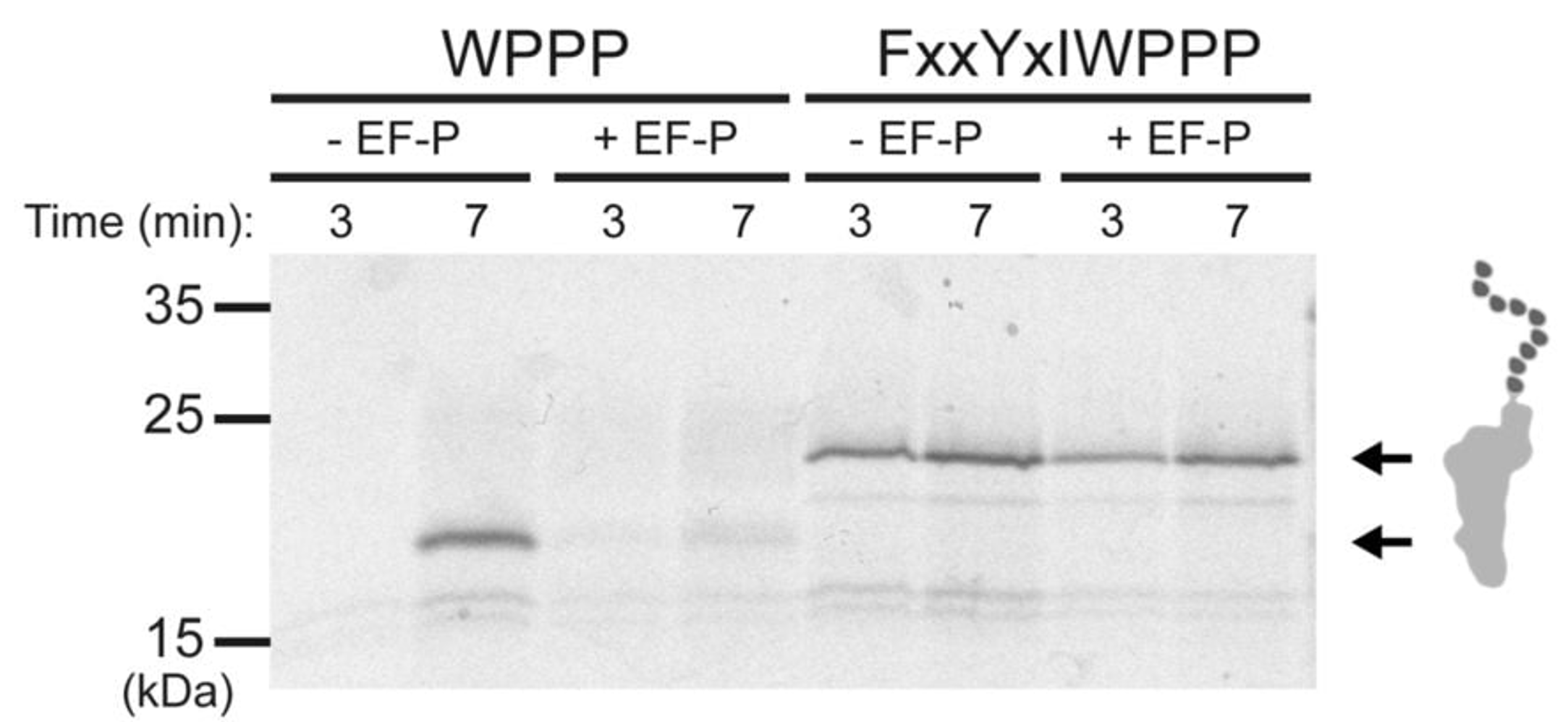
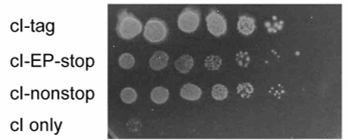
C. J. Woolstenhulme, S. Parajuli, D. W. Healey, D. P. Valverde, E. Nicholas Petersen, A. L. Starosta, N. R. Guydosh, W. E. Johnson, D. N. Wilson, A. R. Buskirk

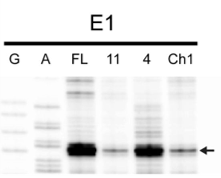
Identified specific nascent peptide motifs that stall translation by interacting with the E. coli ribosome exit tunnel using yeast two-hybrid selection and radiolabeled 35S pulse-chase kinetics.

  • Co-author on PNAS study identifying bacterial ribosome stalling peptides
  • Executed genetic selections and 35S radiolabeled pulse-chase translation assays
Co-Author Anesthesia Mechanisms & Biophysics

PNAS · 2020

Reply to van Swinderen and Hines: Drosophila model establishes the lipid membrane as a target of anesthetics

S. B. Hansen, R. A. Lerner, M. A. Pavel, E. Nicholas Petersen

  • Defended lipid membrane anesthetic mechanism against alternative neuronal models
  • Re-affirmed quantitative T50 behavioral assays in genetic knockout flies